Dignetic Digital Marketing & Shorthand Academy

Author name: admin

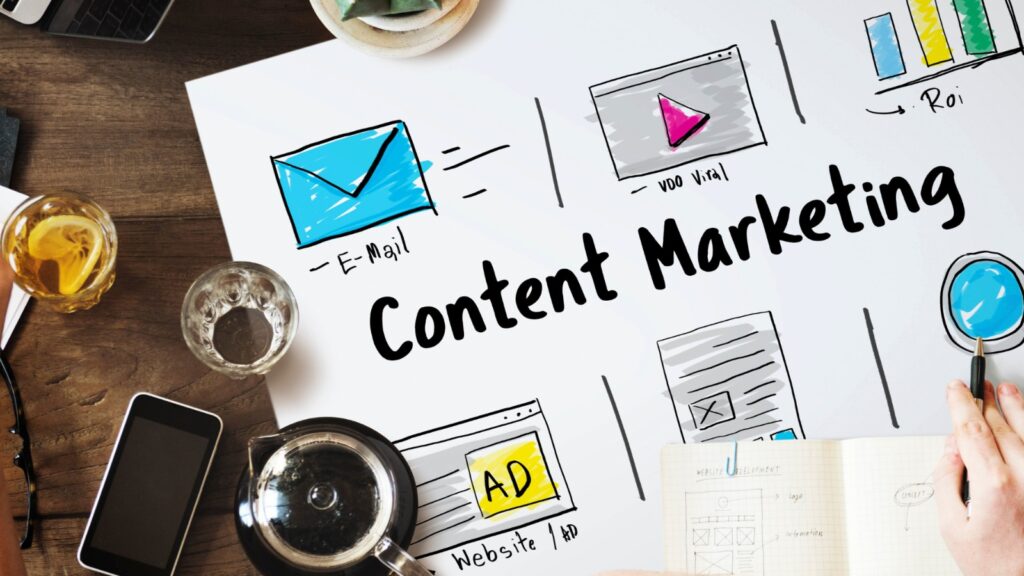
Content Marketing

Content Marketing: The Ultimate Guide in 2024

Content Marketing: The Ultimate Guide in 2024 Welcome to your ultimate guide on content marketing!  I’m excited to show you how to win over your target audience with content that attracts, teaches, engages, and delights them. If you go down, you’ll learn how content marketing works : This guide has everything you need to know to make content marketing work for you. So, are you ready to dive in and learn how to create content that not only grabs attention but also drives real business results?  Let’s get started! In today’s digital world, content marketing has become essential for businesses to build connections and engage with their audiences.  Whether you’re a small startup or a large enterprise, the way you communicate online through blogs, social media, videos, and more can make or break your success.  This guide will walk you through everything you need to know about content marketing in 2024, from its basics to the strategies that work best today. What is Content Marketing? Content marketing is the process of creating and sharing valuable and relevant content to attract and engage your target audience. Instead of directly promoting products or services, the focus is on delivering information that solves problems, educates, or entertains.  Because over time, this approach helps build trust, strengthen relationships, and encourage customer loyalty. So, think of it like this: content marketing is about storytelling.  You’re not just selling something, but you’re offering useful insights that lead people to naturally choose your brand. Why Content Marketing Matters in 2024 As we enter 2024, content marketing is more important than ever.  But the digital landscape is crowded, and consumers are smarter about their consumption.  certainly, traditional ads alone won’t cut it and people want more meaningful interactions.  Content marketing allows you to stand out by providing value rather than just making a sale. So, here are some reasons why content marketing matters in 2024: 1. Customer Trust People are drawn to brands they trust.  Authentic and valuable content helps establish that trust, making your audience more likely to engage and ultimately buy from you. 2. Long-term ROI Content marketing is not a quick fix, but it offers long-term benefits.  A well-written blog post or an engaging video can continue to attract leads months or even years after it’s published. 3. Algorithm Shifts With Google’s algorithm updates in 2024 focusing on user experience and content quality, well-structured content is critical for ranking higher in search results. 4. User Expectations Audiences expect brands to provide more than just products and they want valuable experiences and information.  Basically, content marketing helps you meet those expectations while building meaningful connections. Steps to Creating a Content Marketing Strategy Creating a content marketing strategy doesn’t have to be complicated, but it does require planning.  Here’s a step-by-step guide to building an effective strategy in 2024: 1. Define Your Goals Start by identifying what you want to achieve with content marketing.  Are you looking to increase brand awareness? Generate more leads?  Boost engagement on social media?  Knowing exactly what you want to achieve will help you plan better and see if you’re making progress. 2. Understand Your Audience Know who your target audience is.  Research their demographics, interests, and pain points. The better you understand them, the more relevant your content will be. 3. Choose Your Content Types Decide on the types of content that will best resonate with your audience.  This could be blog posts, videos, infographics, podcasts, or even webinars.  The key is to pick formats that align with your audience’s preferences and your goals. 4. Create a Content Calendar Plan your content in advance by developing a calendar.  This ensures that you’re consistently delivering fresh content and keeping your audience engaged.  Include important dates, key topics, and deadlines. 5. Produce High-Quality Content Content quality is more important than quantity.  Make sure what you create is helpful, interesting, and worth your readers’ time. Invest in good writing, clear visuals, and proper research to ensure your content stands out. 6. Optimize for SEO Ensure that your content is optimized for search engines.  This involves using relevant keywords, creating strong meta descriptions, and building a user-friendly website structure.  SEO helps your content get discovered organically by potential customers. 7. Promote Your Content Creating content is only half the battle.  You also need to promote it.  Share your content across multiple channels, including social media, email newsletters, and paid ads to reach a wider audience. 8. Measure and Adjust Regularly monitor your content’s performance using tools like Google Analytics or social media insights.  Track metrics like traffic, engagement, and conversions. Based on the data, refine your strategy for better results. What Are the Benefits of Content Marketing? Content marketing offers numerous advantages to businesses of all sizes.  Here are some of the key benefits: 1. Increased Visibility By creating content that resonates with your audience, you increase your chances of being found through search engines, social media, and other online platforms. 2. Builds Authority When you consistently share helpful and relevant content, you position yourself as an authority in your industry.  This builds trust and makes people more likely to turn to you when they need solutions. 3. Drives Engagement Content marketing encourages interaction. People are more likely to comment, share, and engage with content that provides value.  This helps build a community around your brand. 4. Supports Other Marketing Efforts Content marketing enhances other strategies like email marketing, social media, and paid advertising.  For example, a well-placed blog post can fuel an email campaign, while engaging social media content can boost ad performance. 5. Cost-Effective Content marketing generally costs less than traditional advertising while providing long-term benefits.  Once a piece of content is live, it can continue to drive traffic and leads without additional investment. Types of Content Marketing Various forms of content marketing cater to different audiences and goals.  Here are some of the most popular types: 1. Blog Posts Blog posts are stories or articles you can read online. They’re like

Content Marketing: The Ultimate Guide in 2024 Read More »

What Is Influencer Marketing ?

What is Influencer Marketing? Influencer marketing is a type of marketing that involves collaborations between brands and individuals with a significant and engaged following on social media or other online platforms. These individuals, known as influencers, use their platforms to promote products, services, or brands to their audience. The essence of influencer marketing lies in leveraging the influencers’ credibility, reach, and relationship with their audience to endorse and highlight brands or products. Influencers create content that showcases or discusses the brand, product, or service, integrating it into their regular posts, videos, stories, or other formats. This content can vary widely, from product reviews and tutorials to lifestyle integrations and sponsored posts. Influencer marketing is distinct from traditional advertising in that it relies on the influencer’s ability to authentically connect with their audience, rather than on direct brand messaging. This method takes advantage of the influencer’s established trust and rapport with their followers to convey the brand’s message more personally and relatable. Here’s a breakdown of key elements involved in influencer marketing What Influencers Do: Content Creation Posts: Influencers create social media posts featuring the brand’s products or services. This can include photos, videos, and written content that highlights the brand engagingly and authentically. Stories: On platforms like Instagram and Facebook, influencers use Stories to share time-limited content that showcases the brand. These are often used for behind-the-scenes looks, special promotions, or limited-time offers. Videos: Influencers create video content such as tutorials, reviews, unboxings, and vlogs that incorporate the brand’s products. Platforms like YouTube and TikTok are popular for video content. Product Reviews and Endorsements: Reviews: Influencers provide honest reviews of the brand’s products or services. These reviews can help build trust and credibility among their followers. Endorsements: Influencers endorse products or services, sharing their positive experiences and recommending them to their followers. Engagement: Interaction: Influencers interact with their followers by responding to comments, answering questions, and engaging in conversations about the brand. Live Sessions: Influencers host live sessions where they can demonstrate products, answer follower questions in real time, and engage directly with their audience. Giveaways and Contests: Influencers often host giveaways and contests in collaboration with brands. This can drive engagement and attract new followers to both the influencer’s and the brand’s accounts. Affiliate Marketing: Some influencers participate in affiliate marketing programs, where they earn a commission for every sale made through a unique link or code they share with their followers. Brand Ambassadorship: Long-term collaborations where influencers become brand ambassadors, regularly featuring the brand in their content and participating in exclusive campaigns or events. Influencer marketing several benefits that can significantly enhance a brand’s marketing strategy. Here are some key advantages: Increased Brand Awareness: Collaborating with influencers allows brands to reach new and larger audiences. Influencers have established followers who trust their recommendations, which can introduce the brand to potential customers who might not have been reached through traditional marketing channels. Influencers introduce brands to their followers, helping increase brand visibility and recognition. Enhanced Credibility and Trust: Influencers have built a relationship of trust with their audience. When they endorse a product or service, it carries more weight and credibility than traditional advertisements. This trust can lead to higher acceptance and adoption of the brand’s offerings. Targeted Marketing: Influencers often have niche audiences that align with specific demographics, interests, or industries. Brands can leverage this to target their marketing efforts more precisely, ensuring their message reaches the most relevant consumers. Improved Engagement: Content created by influencers tends to receive higher engagement rates compared to brand-created content. Followers are more likely to like, comment, share, and interact with posts made by influencers they follow, leading to increased visibility and interaction for the brand. Influencers create engaging content that encourages followers to interact with the brand, boosting overall engagement.  Content Creation: Influencers are skilled content creators who can produce high-quality and creative content that resonates with their audience. This user-generated content can be repurposed by brands for their marketing efforts, providing a steady stream of engaging material. Cost-Effective: Influencer marketing can be more cost-effective than traditional advertising, especially for small and medium-sized businesses. Micro and nano-influencers, in particular, offer affordable partnership options while still providing access to a dedicated and engaged audience. Providing Insights and Feedback brands with insights into consumer preferences Influencers can offer valuable feedback on products and campaigns, providing trends. Boosted Conversions and Sales: The personalized and trustworthy nature of influencer recommendations can drive higher conversion rates. Followers are more likely to try a product or service recommended by someone they trust, leading to increased sales and revenue. SEO Benefits: Collaborations with influencers can improve a brand’s search engine optimization (SEO). When influencers share links to the brand’s website or product pages, it can increase web traffic and improve the site’s search engine ranking. Adaptability and Flexibility: Influencer marketing campaigns can be easily adjusted based on performance metrics and feedback. Brands can test different approaches, measure outcomes, and refine strategies in real time. Long-Term Partnerships: Building ongoing relationships with influencers can lead to long-term partnerships. This consistency can enhance brand loyalty and ensure continuous promotion over time, creating a more stable and reliable marketing channel. Creating Authentic Connections:  Influencers provide a personal touch to brand promotions, making recommendations feel more authentic and relatable. How much are influencers paid? The payment for influencers varies widely depending on several factors, including the influencer’s follower count, engagement rate, platform, niche, and the type of collaboration. Here’s a breakdown of what influencers might typically earn: Factors Influencing Payment:               Follower Count Nano-Influencers (1K – 10K followers): $10 – $100 per post. Micro-Influencers (10K – 100K followers): $100 – $1,000 per post. Macro-Influencers (100K – 1M followers): $1,000 – $10,000 per post. Mega-Influencers (1M+ followers): $10,000 – $1,000,000+ per post. In summary, influencer marketing leverages the popularity and trust of influencers to promote brands and products. Influencers create engaging content, provide authentic endorsements, and interact with their followers to drive brand awareness, engagement, and sales.

What Is Influencer Marketing ? Read More »

What is Mobile Marketing

What is Mobile Marketing? Mobile marketing refers to the use of mobile devices such as smartphones and tablets to promote products and services to consumers. It encompasses a wide range of tactics and strategies aimed at reaching target audiences through mobile channels, including SMS marketing, mobile apps, mobile websites, and location-based marketing. Introduction to Mobile Marketing In today’s digital age, mobile devices have become an integral part of our daily lives. From communication to entertainment and shopping, people rely heavily on their smartphones and tablets. This shift in consumer behavior has led to the rise of mobile marketing as a crucial component of any comprehensive marketing strategy. Personalization Reachability One of the primary advantages of mobile marketing is its ability to reach a vast audience quickly. With the increasing number of smartphone users worldwide, businesses can connect with potential customers anytime, anywhere. Personalization Mobile marketing allows for highly targeted and personalized campaigns. By leveraging data such as location, demographics, and browsing behavior, marketers can deliver tailored messages that resonate with individual consumers. Cost-Effectiveness Compared to traditional forms of advertising, mobile marketing can be more cost-effective. With the right strategies in place, businesses can reach their target audience at a fraction of the cost of traditional media channels. Engagement Mobile devices offer unique opportunities for engaging with consumers in real-time. Whether through interactive ads, push notifications, or social media interactions, mobile marketing allows brands to foster meaningful connections with their audience.

What is Mobile Marketing Read More »

Understanding Google Tag Manager

What is Google Tag Manager ?   Google Tag Manager is a free tool offered by Google that allows users to manage and deploy marketing tags on a website without the need for manual code changes. These tags include tracking pixels, analytics scripts, remarketing tags, and more. Essentially, GTM acts as a container for all your tags, making it easier to organize, update, and maintain them. Key Features of Google Tag Manager 1.Tag Templates GTM offers a wide range of pre-configured tag templates for popular services such as Google Analytics, Google Ads, Facebook Pixel, and many others. These templates streamline the process of adding tags to your website, eliminating the need for custom coding. 2. Triggering Options With GTM, you can set up triggers to determine when and where your tags should fire. Triggers can be based on events such as page views, clicks, form submissions, or custom interactions, giving you granular control over tag deployment. 3. Version Control Version control in GTM allows you to keep track of changes made to your tags over time. You can create multiple versions of your container, revert to previous versions if needed, and collaborate with team members seamlessly. 4. Debugging Tools GTM provides robust debugging tools that help you troubleshoot tag implementation issues quickly. With the built-in preview mode, you can test your tags in real-time before publishing them to your live website, ensuring accuracy and reliability. Benefits of Using Google Tag Manager 1. Streamlined Tag Management By centralizing all your tags in one place, GTM simplifies the process of tag management, reducing the risk of errors and inconsistencies. With a user-friendly interface, even non-technical users can manage tags efficiently. 2. Faster Deployment With GTM’s intuitive interface and tag templates, you can deploy new tags and make changes to existing ones in a fraction of the time it would take with manual code updates. This agility allows you to adapt quickly to changing marketing needs and strategies.   3. Enhanced Tracking Capabilities GTM empowers you to collect more granular data about user interactions on your website. By implementing custom triggers and tags, you can track specific actions and events, gaining deeper insights into user behavior and engagement. 4. Improved Website Performance Since GTM loads tags asynchronously, it minimizes the impact on website performance compared to traditional tag implementations. This results in faster page load times and a smoother user experience, which can positively impact SEO and conversion rates. Getting Started with Google Tag Manager 1. Sign Up for Google Tag Manager To get started with GTM, you’ll need to sign up for an account on the Google Tag Manager website. Once you’ve created an account, you can set up a container for your website and generate the container snippet to add to your site’s code. 2. Install the Container Snippet After creating your container, follow the instructions provided by GTM to install the container snippet on your website. This snippet is a small piece of code that allows GTM to function properly and manage your tags. 3. Add and Configure Tags Once the container snippet is installed, you can begin adding tags to your container using the tag templates provided by GTM. Configure each tag according to your tracking requirements, and set up triggers to determine when the tags should fire. 4. Test and Publish Before publishing your tags live, use GTM’s preview mode to test their functionality on your website. Verify that tags are firing correctly and capturing the desired data. Once you’re satisfied with the results, publish the container to make your tags live. Conclusion Google Tag Manager is a powerful tool that simplifies tag management, enhances tracking capabilities, and improves website performance. By centralizing all your tags in one place and providing intuitive features for deployment and testing, GTM empowers marketers and web developers to make data-driven decisions and optimize their online presence effectively. Read More……

Understanding Google Tag Manager Read More »

Digital Marketing Company in Lisle, Illinois

Dignetic is a leading digital marketing company based in Lisle, Illinois, specialising in providing innovative and results-driven marketing solutions to businesses of all sizes. With a team of experienced professionals and a proven track record of success, Dignetic is committed to helping clients achieve their marketing goals and maximize their online presence. Why Choose a Dignetic Digital Marketing Company? Businesses in Lisle choose Dignetic for several reasons. Firstly, Dignetic offers a comprehensive suite of digital marketing services tailored to meet the unique needs and objectives of each client. Whether it’s search engine optimization (SEO), social media marketing, pay-per-click advertising, or content marketing, Dignetic has the expertise and resources to deliver measurable results. Dignetic Our Services Search Engine Optimization (SEO): Our SEO services are aimed at improving your website’s visibility in search engine results pages (SERPs). We utilise a combination of on-page optimization, content creation, link building, and technical SEO to enhance your website’s rankings and attract organic traffic. By targeting relevant keywords and optimising your website’s structure, we help you reach your target audience and increase conversions. Pay-Per-Click (PPC) Advertising: With PPC advertising, we create targeted ad campaigns that appear on search engines and other platforms, such as social media networks and websites. We carefully select keywords and demographics to ensure your ads are seen by the right audience. By paying only when users click on your ads, PPC advertising offers a cost-effective way to drive traffic to your website and generate leads. Social Media Marketing: Our social media marketing services focus on building and engaging your audience across various social media platforms, including Facebook, Instagram, Twitter, LinkedIn, and more. We develop customized content strategies, create compelling posts and ads, and engage with your followers to foster brand loyalty and increase brand awareness. By leveraging the power of social media, we help you connect with your audience on a more personal level and drive meaningful interactions. Content Marketing: Content marketing is at the heart of our digital marketing strategy. We create high-quality, informative, and engaging content that resonates with your target audience and drives engagement. From blog posts and articles to infographics and videos, we use a variety of content formats to showcase your expertise, educate your audience, and establish your brand as a thought leader in your industry. Email Marketing: Our email marketing services help you stay connected with your audience and nurture leads through personalized email campaigns. We design visually appealing emails, segment your subscriber list, and create targeted email sequences to deliver relevant content and promotions to your subscribers. By leveraging automation and analytics, we optimize your email marketing efforts to maximize open rates, click-through rates, and conversions. Website Design and Development: A well-designed and user-friendly website is essential for attracting and retaining customers. Our website design and development services focus on creating visually stunning, responsive websites that reflect your brand identity and provide a seamless user experience across all devices. Whether you need a brand-new website or a redesign of your existing site, we work closely with you to bring your vision to life and achieve your business goals. Online Reputation Management: Your online reputation can significantly impact your business’s success. Our online reputation management services help you monitor and manage your brand’s online presence, including reviews, ratings, and social media mentions. We employ proactive strategies to build positive sentiment, address negative feedback, and protect your brand’s reputation from damaging attacks. By actively managing your online reputation, we help you maintain trust and credibility with your audience and drive business growth. Digital Marketing Strategies by Dignetic Dignetic employs a data-driven approach to digital marketing, leveraging analytics and insights to develop highly targeted and effective marketing strategies. By understanding the specific needs and preferences of their target audience, Dignetic is able to create engaging and personalized campaigns that drive traffic, generate leads, and increase conversions. Choosing Dignetic as Your Digital Marketing Partner When choosing a digital marketing partner, businesses in Lisle can trust Dignetic to deliver exceptional results. With years of experience in the industry and a proven track record of success, Dignetic has earned the trust and loyalty of clients across various sectors. Client testimonials and case studies demonstrate the effectiveness of Dignetic’s services and its commitment to client satisfaction. Cost-Effectiveness of Dignetic’s Services Dignetic understands the importance of delivering value to its clients, which is why it offers cost-effective digital marketing solutions tailored to fit any budget. Whether it’s a small local business or a large enterprise, Dignetic works closely with clients to develop customized strategies that deliver maximum ROI. Measuring Success with Dignetic Dignetic employs a range of key performance indicators (KPIs) to measure the success of its digital marketing campaigns. From website traffic and conversion rates to engagement metrics and return on investment (ROI), Dignetic provides detailed analytics and reporting to help clients track their progress and make informed decisions. Conclusion In conclusion, Dignetic Digital Marketing Company is a trusted partner for businesses in Lisle, Illinois, seeking to enhance their online presence and drive growth. With a team of experienced professionals, a comprehensive suite of services, and a commitment to client satisfaction, Dignetic is the ideal choice for businesses looking to achieve their marketing goals.

Digital Marketing Company in Lisle, Illinois Read More »

Best Digital Marketing Company In Chicago

Digital marketing Company in Chicago encompass a wide range of online marketing activities aimed at promoting products or services using digital channels. These services leverage the power of the internet and digital technologies to reach and engage potential customers, ultimately driving business growth and success. With the majority of consumers spending a significant amount of time online, businesses need to establish a strong digital presence to remain competitive in today’s market. Types of Digital Marketing Services Search Engine Optimization (SEO): SEO is the process of optimizing a website to improve its visibility and ranking on search engine results pages (SERPs). By optimizing various elements such as keywords, meta tags, and content, SEO helps websites rank higher in organic search results, driving targeted traffic and increasing visibility. Social Media Marketing (SMM): SMM involves using social media platforms such as Facebook, Twitter, Instagram, and LinkedIn to promote products or services, engage with customers, and build brand awareness. SMM strategies may include creating and sharing content, running paid advertising campaigns, and interacting with followers to foster relationships and drive conversions. Content Marketing: Content marketing focuses on creating and distributing valuable, relevant, and engaging content to attract and retain a target audience. Content marketing strategies may include blogging, video marketing, infographics, e-books, and whitepapers, aimed at providing informative and entertaining content that resonates with the target audience. Email Marketing: Email marketing involves sending targeted emails to prospects and customers to promote products or services, build relationships, and drive sales. Email marketing campaigns may include newsletters, promotional offers, product updates, and personalized messages tailored to the recipient’s interests and preferences. Pay-Per-Click Advertising (PPC): PPC advertising allows businesses to place ads on search engines and other online platforms and pay a fee each time a user clicks on their ad. PPC campaigns are highly targeted, allowing businesses to reach their ideal audience based on factors such as keywords, demographics, and interests, and drive qualified traffic to their website. Influencer Marketing: Influencer marketing involves partnering with influential individuals or brands to promote products or services to their audience. Influencers, who have a loyal and engaged following on social media platforms, can help businesses reach a wider audience, build credibility, and drive conversions through authentic and relatable content. Benefits of Digital Marketing Services Increased online visibility: By implementing digital marketing strategies such as SEO, SMM, and content marketing, businesses can improve their online visibility and reach a larger audience. Targeted marketing: Digital marketing services allow businesses to target their ideal audience based on demographics, interests, and behaviors, resulting in higher conversion rates and ROI. Cost-effectiveness: Compared to traditional marketing methods, digital marketing services offer cost-effective solutions for businesses of all sizes, allowing them to reach their target audience without breaking the bank. Measurable results: One of the key advantages of digital marketing is its ability to provide measurable results and analytics. Businesses can track the performance of their campaigns in real-time, allowing them to make data-driven decisions and optimize their marketing strategies for maximum effectiveness. Choosing the Right Digital Marketing Service Provider When choosing a digital marketing service provider, businesses should consider the following factors: Expertise and experience: Look for a provider with expertise and experience in your industry and the specific digital marketing services you require. Reputation and track record: Research the provider’s reputation and track record, including client testimonials and case studies, to ensure they have a proven track record of delivering results. Communication and transparency: Choose a provider that prioritizes open and transparent communication, providing regular updates and reports on campaign performance. Customized solutions: Look for a provider that offers customized solutions tailored to meet your specific needs and objectives, rather than a one-size-fits-all approach.

Best Digital Marketing Company In Chicago Read More »

Mobile App Development

Introduction to Mobile App Development Mobile app development refers to the process of creating software applications specifically designed to operate on mobile devices such as smartphones and tablets. With the exponential increase in smartphone usage globally, the demand for feature-rich, user-friendly mobile apps has skyrocketed. Importance of Mobile Apps Mobile apps offer unparalleled convenience and accessibility to users, allowing them to access information, services, and entertainment on the go. Businesses leverage mobile apps to enhance customer engagement, streamline operations, and generate revenue through in-app purchases and advertisements. Understanding the Mobile App Development Process The mobile app development process typically consists of several stages, including planning, design, development, testing, and deployment. Each stage plays a crucial role in ensuring the success and functionality of the app. Planning and Research Before embarking on the development journey, thorough planning and research are essential to identify the target audience, define the app’s purpose, and analyze market trends and competitors. Design and Prototyping The design phase involves creating wireframes and prototypes to visualize the app’s layout, features, and user interface. Design elements such as colors, fonts, and navigation are carefully crafted to provide an intuitive user experience. Development During the development phase, skilled programmers and developers bring the app to life by writing code, integrating features, and implementing functionalities based on the project requirements and specifications. Testing Testing is a crucial step to ensure the app functions flawlessly across various devices and operating systems. Quality assurance specialists conduct rigorous testing to identify and rectify any bugs or performance issues. Deployment Once the app passes the testing phase, it is ready for deployment to the respective app stores such as Google Play Store and Apple App Store. App store optimization (ASO) techniques are employed to enhance visibility and attract downloads. Choosing the Right Platform for App Development One of the critical decisions in mobile app development is selecting the appropriate platform, considering factors such as target audience, budget, and desired features. iOS vs. Android vs. Cross-Platform iOS and Android are the two dominant mobile platforms, each with its own set of advantages and limitations. Cross-platform development frameworks such as React Native and Flutter offer the flexibility to build apps that run seamlessly on multiple platforms Key Technologies and Tools for Mobile App Development Several technologies and tools facilitate the mobile app development process, including programming languages like Java, Swift, and Kotlin, as well as development frameworks like Xamarin and Ionic. Steps to Build a Successful Mobile App Building a successful mobile app requires careful planning, execution, and continuous improvement. Here are some essential steps to consider: Define the Purpose and Goals Clearly define the app’s purpose, target audience, and goals to align development efforts with user expectations and business objectives. Design a User-Friendly Interface Design an intuitive and visually appealing user interface (UI) that enhances usability and encourages engagement. Develop with Scalability in Mind Build a scalable architecture that can accommodate future growth and accommodate evolving user needs and technological advancements. Integrate Analytics and Feedback Mechanisms Incorporate analytics tools and feedback mechanisms to track user behavior, gather insights, and make data-driven decisions for app optimization and enhancement. Trends in Mobile App Development Mobile app development is continuously evolving, driven by emerging technologies and changing user preferences. Some notable trends include artificial intelligence (AI), augmented reality (AR), Internet of Things (IoT), and blockchain integration. Challenges Faced in Mobile App Development Despite its numerous benefits, mobile app development also poses several challenges, including fragmentation across devices and operating systems, security concerns, and fierce competition in the app marketplace. Importance of SEO in Mobile App Development Search engine optimization (SEO) plays a vital role in ensuring the discoverability and visibility of mobile apps in app stores. Optimizing app metadata, keywords, and descriptions can significantly impact app rankings and downloads. Conclusion Mobile app development continues to revolutionize the way we interact with technology, offering limitless possibilities for innovation and creativity. By understanding the intricacies of the development process and embracing emerging trends, businesses and developers can create impactful mobile experiences that resonate with users worldwide.

Mobile App Development Read More »

What is Off Page SEO ?

Understanding Off Page SEO Off page SEO digital-marketing-services/search-engine-optimization/ refers to a series of techniques and practices aimed at optimizing elements outside your website to improve its online visibility and authority. While on-page SEO involves optimizing content and HTML source code within your site, off page SEO centers around building a strong online reputation and creating a network of authoritative backlinks. The Significance of Backlinks: Quality Over Quantity Backlinks, also known as inbound links, are crucial components of off page SEO. These are links from external websites that direct users to your site. However, the emphasis should be on quality over quantity when it comes to backlinks. Search engines value authoritative, relevant, and natural backlinks that indicate your site’s trustworthiness. Social Signals and Their Impact on SEO Social signals, such as likes, shares, and comments on social media platforms, can indirectly influence your website’s SEO performance. While they may not be direct ranking factors, strong social signals can lead to increased visibility and engagement, indirectly impacting your site’s authority. Guest Blogging: A Strategic Approach to Off-Page Optimization Guest blogging involves creating high-quality content for other websites within your industry. By showcasing your expertise and knowledge, you can earn valuable backlinks and establish yourself as an authoritative voice in your niche. Online Reputation Management: Cultivating Trust and Credibility Maintaining a positive online reputation is essential for off page SEO. Reviews, testimonials, and ratings can significantly impact user perception and influence their decision to engage with your site. Influencer Partnerships: Leveraging Authority for SEO Success Collaborating with influencers allows you to tap into their established audience and authority. When influencers mention or link to your website, it can lead to increased traffic and improved SEO performance. Harnessing the Power of Social Bookmarking Social bookmarking platforms enable users to save, organize, and share web content. Engaging with these platforms can lead to increased visibility and traffic, contributing to off page SEO success. The Role of Brand Mentions in Off-Page Optimization Even without a direct link, brand mentions across the web can positively impact your SEO efforts. Search engines recognize brand mentions as indicators of authority and relevance. User Engagement Metrics: Metrics that Matter User engagement metrics, such as click-through rates, bounce rates, and time-on-site, provide insights into how users interact with your website. Improving these metrics enhances user experience and signals search engines that your site offers valuable content. Local SEO and Off Page Optimization Local SEO involves optimizing your online presence for location-based searches. Consistent NAP (Name, Address, Phone Number) information and local citations can improve your site’s visibility in local search results. Content Outreach: Expanding Your Digital Footprint Engaging in content outreach involves reaching out to authoritative websites and publications to share your content. When your content is featured on reputable platforms, it enhances your site’s credibility and attracts quality backlinks. Community Engagement and Forum Participation Participating in online communities and forums relevant to your industry allows you to showcase your expertise and engage with a targeted audience. Meaningful interactions can lead to increased brand awareness and valuable backlinks. Video and Image Sharing Platforms: A Multimedia Approach to Off Page SEO Platforms like YouTube, Instagram, and Pinterest provide opportunities to share engaging visual content. Optimizing videos and images with relevant keywords and descriptions can improve your site’s visibility in multimedia search results. Measuring Off Page Success: Analyzing Key Performance Indicators Tracking and analyzing off-page SEO performance is essential for refining your strategy. Key Performance Indicators (KPIs) such as backlink quality, referral traffic, and social engagement metrics help gauge the effectiveness of your efforts. Conclusion: Elevating Your SEO Strategy with Off-Page Brilliance Off-page SEO is a dynamic and essential aspect of a comprehensive SEO strategy. By strategically optimizing external factors, building authoritative backlinks, and engaging with online communities, you can enhance your website’s visibility, credibility, and overall search engine performance.

What is Off Page SEO ? Read More »

Benefits Of WhatsApp Marketing

WhatsApp Marketing is a digital marketing strategy that utilizes the popular messaging app WhatsApp to reach and engage with potential customers. As one of the most widely used messaging platforms globally, WhatsApp presents a unique opportunity for businesses to connect with their target audience in a more personal and direct manner. Introduction: The Power of WhatsApp Marketing WhatsApp Marketing presents a unique opportunity for businesses to connect with their target audience directly and build strong relationships. With its massive user base and extensive features, WhatsApp has become an essential platform for marketers to leverage its benefits and achieve their marketing goals. Building a Direct and Personal Connection WhatsApp allows businesses to establish a direct and personal connection with their customers. By sending personalized messages, businesses can make their audience feel valued and build a sense of trust. This direct line of communication enables businesses to provide tailored offers, updates, and customer support, enhancing the overall customer experience. Increase Engagement and Customer Interaction WhatsApp Marketing provides various features to engage and interact with customers effectively. From text messages to images, videos, and even voice notes, businesses can use different formats to engage their audience creatively. Additionally, features like group chats, broadcast lists, and WhatsApp Status allow businesses to share content, conduct polls, and gather valuable feedback from their customers. Cost Effective Communications Channel Compared to traditional marketing channels, WhatsApp Marketing offers a cost-effective solution. Sending messages, media files, and even conducting audio or video calls through WhatsApp require minimal expenses. With reduced costs, businesses can allocate their marketing budget more efficiently, reaching a wider audience without breaking the bank. Rapid and Real-Time Communication WhatsApp enables businesses to communicate with their customers in real-time, fostering quick and efficient conversations. Whether it’s addressing queries, resolving issues, or providing instant updates, businesses can offer prompt responses, leading to improved customer satisfaction and loyalty. Targeted Marketing and Segmentation With WhatsApp, businesses can segment their customer base and send targeted messages to specific groups. By analyzing user data, businesses can create personalized campaigns, delivering content that resonates with each segment. This targeted approach ensures higher engagement rates and better conversion opportunities. Enhanced Customer Support and Service WhatsApp serves as an excellent platform for delivering exceptional customer support and service. Businesses can provide quick assistance, troubleshoot problems, and address customer concerns promptly. The convenience of WhatsApp messaging allows customers to reach out easily, resulting in a positive customer experience. Viral Marketing Potential WhatsApp’s viral nature can significantly benefit businesses. Users tend to share interesting content, promotions, and offers with their contacts, spreading the word about a business organically. By creating shareable content and encouraging users to share it further, businesses can tap into the viral marketing potential of WhatsApp. Measurable Results and Analytics To track the effectiveness of their WhatsApp Marketing campaigns, businesses can use analytics tools. These tools provide valuable insights into message delivery, open rates, click-through rates, and customer engagement. By analyzing these metrics, businesses can refine their strategies, optimize their content, and achieve better results. Integration with Existing Marketing Channels WhatsApp can seamlessly integrate with existing marketing channels, creating a holistic marketing approach. By incorporating WhatsApp into their overall marketing strategy, businesses can reinforce their brand message across different platforms, ensuring consistent and coordinated communication. Automation and Efficiency WhatsApp offers automation features that streamline repetitive tasks and improve efficiency. Businesses can use chatbots to automate responses, provide instant information, and handle basic customer queries. Automation not only saves time but also enables businesses to provide round-the-clock support. Building Trust and Credibility Through personalized interactions and timely responses, businesses can build trust and credibility with their customers. WhatsApp’s one-on-one communication fosters a sense of authenticity, making customers more likely to engage and trust the brand. Expanding Global Reach WhatsApp’s global presence enables businesses to expand their reach beyond geographical boundaries. With localization features and multilingual support, businesses can cater to diverse audiences worldwide, breaking barriers and entering new markets. WhatsApp Business API for Enterprise-Level Marketing For larger businesses, the WhatsApp Business API offers advanced features and functionalities. It allows businesses to integrate WhatsApp with their CRM systems, enabling seamless communication, order tracking, and personalized interactions at scale. Conclusion WhatsApp Marketing offers numerous benefits for businesses, ranging from building direct connections and increasing engagement to providing cost-effective communication and expanding global reach. By leveraging the power of WhatsApp, businesses can enhance their marketing efforts, drive customer loyalty, and achieve their business objectives effectively.

Benefits Of WhatsApp Marketing Read More »

What is Graphic Designing? With Examples For Beginners

Graphic designing is the art and practice of combining text, images, and illustrations to create visually appealing and communicative designs. It involves a harmonious blend of creativity, aesthetics, and technical skills to convey messages effectively. Graphic designers utilise various elements such as colour, typography, layout, and images to capture attention, evoke emotions, and deliver information. Importance Of Visual Communication Visual communication is a powerful tool that transcends language barriers and captures attention instantly. In today’s fast-paced world, where information overload is prevalent, compelling visual designs can make a significant impact. Graphic design helps in conveying complex ideas, simplifying information, and enhancing the overall user experience. It enables businesses to establish a strong brand identity, differentiate themselves from competitors, and engage their target audience. Principles Of Graphic Designing To create visually appealing designs, graphic designers adhere to certain principles that govern effective visual communication. These principles include: Balance and Composition Balance refers to the distribution of visual weight in a design. It ensures that elements are arranged harmoniously, creating a sense of stability and equilibrium. Composition focuses on organising and arranging elements within a design to create a cohesive and visually pleasing layout. Colour Theory Color plays a crucial role in evoking emotions, setting moods, and conveying messages. Understanding colour theory enables graphic designers to choose appropriate colour palettes that resonate with the intended audience and effectively communicate the desired message. Typography Typography involves the selection, arrangement, and styling of fonts. It plays a vital role in enhancing readability, setting the tone, and conveying the brand’s personality. Graphic designers carefully choose fonts that align with the overall design and ensure optimal legibility. Contrast and Hierarchy Contrast helps create visual interest by juxtaposing different elements. It involves playing with variations in colour, size, and shape to create emphasis and focal points. Hierarchy guides the viewer’s attention by establishing a clear visual flow, ensuring that the most important information stands out. Popular Graphic Designing Tools Graphic designers utilise various software and tools to bring their creative visions to life. Some of the most popular graphic designing tools include: Adobe Photoshop Adobe Photoshop is a versatile software widely used for image editing, photo retouching, and graphic design. It offers an extensive range of features and tools that allow designers to manipulate images, create digital artwork, and enhance visual elements. Adobe lllustrator Adobe Illustrator is a vector-based software used for creating scalable and high-resolution designs. It is ideal for creating logos, illustrations, and typography. With its precision and versatility, Adobe Illustrator empowers graphic designers to create visually stunning and professional designs. Canva Canva is a user-friendly online design platform that caters to both professionals and beginners. It provides pre-designed templates, a wide range of fonts and graphics, and intuitive editing tools. Canva is a popular choice for creating social media graphics, presentations, and marketing materials Sketch Sketch is a powerful vector graphics editor designed specifically for UI/UX design. It offers an intuitive interface, comprehensive design tools, and real-time collaboration features. Sketch is widely used for creating user interfaces, web design layouts, and interactive prototypes. Skill Required For Graphic Designing To excel in graphic designing, individuals need to possess a combination of creative and technical skills. Some essential skills include: Creativity and Innovation Graphic designing demands a high level of creativity to generate unique and engaging designs. Thinking outside the box and exploring innovative approaches allows designers to create visually captivating artwork. Knowledge Of Design Software Proficiency in graphic design software such as Adobe Photoshop, Adobe Illustrator, and other industry-standard tools is crucial. Familiarity with these software enables designers to execute their ideas effectively and efficiently. Understanding Of Typography A sound understanding of typography is essential for creating visually appealing designs. Designers should have knowledge of different font types, pairings, and how typography can influence the overall design’s impact. Attention To Detail Graphic designers need to pay attention to every minute detail, ensuring that the design is flawless and visually consistent. Small elements like spacing, alignment, and colour accuracy can significantly impact the overall design quality. Communication Skills Effective communication skills are vital for graphic designers as they often collaborate with clients, understand their requirements, and present their design concepts. Clear communication helps designers meet client expectations and deliver designs that align with the desired objectives. Emerging Trends in Graphic Designing Graphic design trends evolve continuously as new technologies and creative approaches emerge. Some of the emerging trends in graphic designing include: Minimalism Minimalism focuses on simplicity, clean lines, and ample whitespace. It emphasises the essential elements and removes any unnecessary clutter, creating a sleek and modern design aesthetic. Flat Design Flat design embraces simplicity by using two-dimensional illustrations and avoiding intricate details. It features vibrant colours, clean typography, and a minimalistic approach to visual elements. Motion Graphics Motion graphics combine visual elements and animation to create engaging and interactive designs. This trend adds movement, dynamics, and storytelling to static designs, making them more captivating and memorable. Responsive Design With the increasing prevalence of mobile devices, responsive design has become crucial. Graphic designers need to ensure that their designs adapt seamlessly to different screen sizes and devices, providing a consistent user experience. Conclusion Graphic designing is a dynamic and creative field that plays a pivotal role in visual communication. By harnessing the power of colours, typography, composition, and digital tools, graphic designers captivate audiences, convey messages, and shape brand identities. Whether it’s creating stunning visuals for marketing campaigns or designing user interfaces, the art of graphic designing continues to evolve and thrive in today’s digital landscape.  Read More 

What is Graphic Designing? With Examples For Beginners Read More »

error: Content is protected !!